


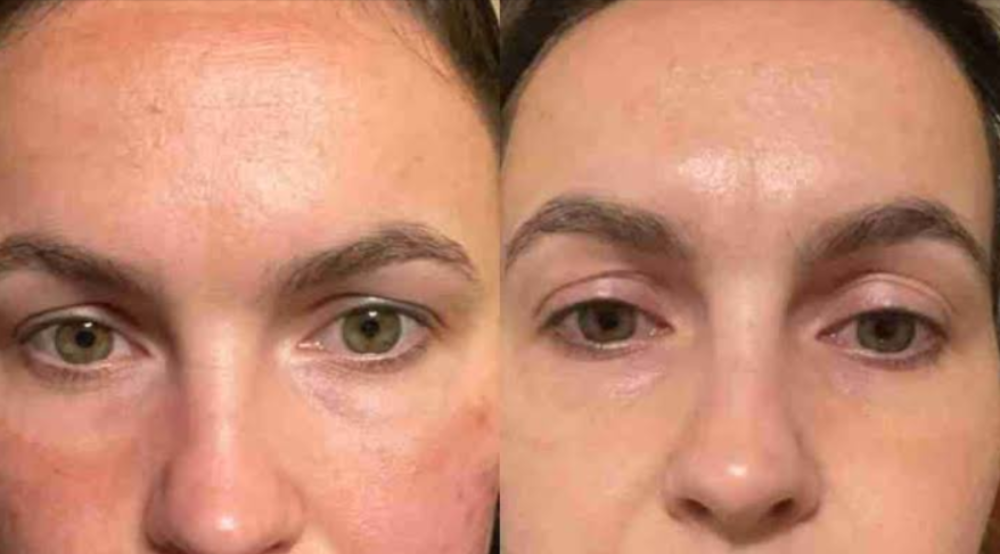
Vitamin C serums are a great product to look at due to there being good research surrounding it. However, they can be easy to waste money on. Depending on which type of vitamin C is in the same brown bottle, it may be very beneficial to your skin, or not. You generally aren’t told which type it is by the labelling on the bottle.
When looking for anti-aging vitamin C serum, most products will have ‘brightening,’, ‘firming’ and ‘boosts collagen’. While these can be true, they can be slightly exaggerated. Knowing a few things can help make choosing a vitamin C serum much easier.
What does it do?
As an antioxidant vitamin C protects skin from free radicals caused by the sun and pollution. It helps stimulate collagen production in the skin and can reduce some dark marks in the skin over time.
It is like preventing rust. While it may not reverse previous damage quickly, it can help prevent further damage.
Differences in types of vitamin C
L-ascorbic acid is the type of vitamin C which has been most researched. It is very effective, however, is unstable and can cause irritation. Other types such as sodium ascorbyl phosphate, or magnesium ascorbyl phosphate are less irritating and stable, but have less evidence supporting them.
If the product only states ‘vitamin C’ in the ingredients then you know very little. Look for the specific name of the vitamin C.
Concentration
Many well-researched products contain between 10-20% L-ascorbic acid. Products with a higher concentration do not necessarily give better results, and can irritate more people. Products with lower concentrations can still be beneficial, particularly if they are the less irritating forms.
Sometimes products will not include the concentration. If this is the case then it may be worth being cautious.
Dark bottle
Vitamin C should be kept away from light, oxygen and heat. Once oxidised, it will lose effectiveness. Dark bottles with a pipette or pump will be a better option than clear jars to apply with your finger.
If a serum has turned a darker orange/brown colour, it is likely spoiled. While it may not harm your skin, it won’t be very beneficial.
Application
Vitamin C is often applied in the morning, as the antioxidant effect works well with sunscreen. Apply to clean dry skin, then moisturiser, then apply sunscreen. Only a few drops are needed for the entire face.
However, applying it regularly may irritate. Start by applying every other day for a couple of weeks to let your skin get used to it. A tingling sensation is common. If burning, redness or flakiness occurs, this should be stopped.
What can/cannot be achieved
After weeks or months of regular application, vitamin C serum can brighten skin, and make skin slightly smoother. It can reduce some discolouration and provide a daily protective factor for skin. However, it cannot fully remove deep wrinkles or lift sagging skin. These claims are unrealistic.
Improvements may take time. The majority of studies looked at over 12 weeks so improvements may be very minimal after 1 month.
Interpreting labels
Ingredients are listed in order of most to least present. If vitamin C is at the bottom of a long list, there may not be much. Claims such as ‘clinically proven’ and ‘dermatologist tested’ can be misleading. Try to find out who conducted the research and how many people were involved in tests.
To Sum Up
For a good vitamin C serum, choose one with a well known type of vitamin C, contained within dark packaging. Apply regularly over a few months. Make sure to keep it away from sunlight, apply slowly and wear sun cream.
Be patient!