

Key Takeaways
Brain-based treatments prioritize the understanding of brain functions to tackle psychological concerns. They take into account how the brain governs mood, behavior, and emotions.
Studies indicate that many mental health disorders stem from imbalances in brain activity, leading professionals to utilize therapies such as neurofeedback and genetic testing for more personalized approaches.
These treatment options promise precise targeting, enduring healing, and a comprehensive view of mental health, assisting clients by educating them about their brain profiles.
During the first appointment, comprehensive evaluations take place, using questionnaires, interviews, and brain imaging to formulate a custom treatment roadmap tailored to each client’s specific needs.
Structured treatment plans, designed to adapt over time, encourage clients to benefit from evidence-based practices and consistent assessments, ensuring they remain responsive to their evolving conditions.
Innovative methodologies like hypnotherapy and hyperbaric oxygen therapy are integrated into the treatment plans. Hypnotherapy aims to deepen emotional insight and cognitive clarity, while HBOT promotes better brain cell function and cognitive performance.
Success stories from clients in Phoenix highlight the transformative effects of these brain-based treatments, leading to healthier families, improved work environments, and a heightened community awareness surrounding mental health issues.
Exploring Brain-Based Treatments: What Sets Them Apart?
The Science Behind Brain Health Interventions
Brain-based treatments represent a cutting-edge approach focusing on the complexities of brain operations to clarify intricate psychological issues. They probe into how brain function influences behaviors, thoughts, and emotions. Consider this: the brain isn’t merely an organ; it’s the very core of human existence, controlling everything from mood shifts to decision-making processes.
Research makes it clear that brain health is fundamental to overall well-being. Scientists have established a link between various mental health disorders and brain function disruptions. Therefore, professionals delve into multiple therapies that address these issues directly at their roots. These techniques could involve advanced imaging, neurofeedback, or even genetic evaluations, all aimed at unraveling tailored brain profiles for effective interventions.
“Understanding the brain’s intricacies often leads to personalized recovery strategies that traditional methods simply cannot offer.”
Key Benefits of Brain-Based Approaches
When discussing brain-based treatment options, understanding their benefits is vital. These strategies redefine the treatment of mental health issues, showcasing tangible, pragmatic results. Some of the key advantages include:
- Precision Targeting: Professionals can tailor treatments more effectively by understanding each patient’s unique brain function.
- Long-Term Efficacy: Many brain-based interventions prioritize genuine healing over just symptom management.
- Integration of Technology: Techniques such as neurofeedback use real-time data to guide clients toward healthier brain states.
- Full-Picture Awareness: Combining psychological and neurological perspectives delivers a more holistic understanding of client challenges.
These distinct benefits differentiate brain-based treatments from traditional approaches. Clients usually find that, beyond mere relief, they gain vital insights into their mental health. It becomes a journey of transformation, turning vulnerabilities into strengths.
What to Expect During Your First Appointment
Initial Assessments and Diagnostic Techniques
Anticipating the first appointment can stir feelings of both excitement and anxiety. However, this moment holds great potential. Clients should prepare for comprehensive initial assessments that will examine both their mental and physical health. Skilled practitioners often employ a variety of methods—questionnaires, interviews, and sophisticated diagnostic tools—to compile a detailed overview of a client’s mental state.
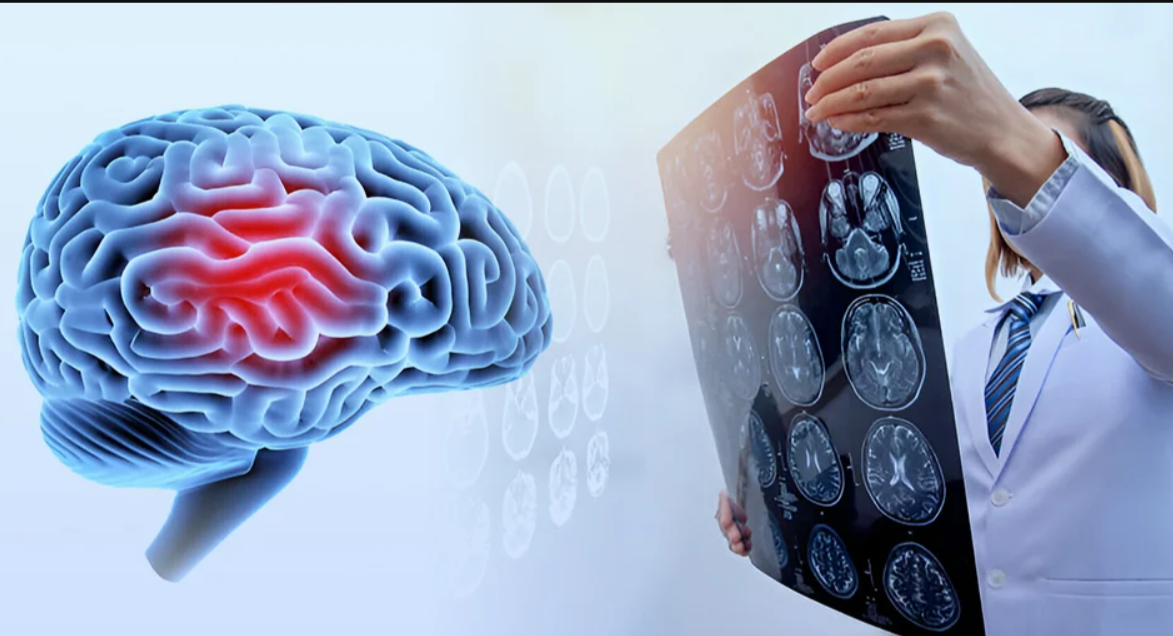
Each assessment serves as a detailed map of one’s personal journey. It identifies strengths, weaknesses, and even potential challenges that might arise during recovery. For instance, brain scans could uncover abnormal activity patterns, enabling practitioners to identify underlying issues possibly overlooked before.
- Neuropsychological Assessment: A battery of standardized tests designed to evaluate cognitive function, memory, and emotional wellness.
- Brain Imaging: Methods like SPECT scans help pinpoint brain regions with unusual activity.
- A Thorough History Review: Understanding a client’s past medical and psychological experiences is crucial for tailoring effective treatment.
This extensive assessment phase goes beyond mere procedure—it lays the groundwork for effective treatment plans. In brain-based treatment, knowledge truly empowers. Clients are encouraged to view this experience as an enlightening diagnostic exploration rather than just a checklist.
Building a Personalized Treatment Plan
Following the initial assessments, professionals craft a personalized treatment plan. It’s not a case of one size fits all. Each client’s individuality is acknowledged, guiding the creation of tailored treatment options. This might include medication management, therapy, or even sophisticated choices like hypnotherapy and hyperbaric oxygen therapy. Rather than enforcing a generic protocol, the aim is to build a unique journey based on insights gained from assessments.
Clients typically discover that their treatment plans include both immediate focal points and long-term strategies. This layered methodology guarantees that they’re not merely reducing symptoms but are actively targeting root causes.
- Goals Establishment: Clients identify specific outcomes they wish to reach.
- Regular Re-evaluation: Treatment plans remain fluid; ongoing assessments ensure flexibility and responsiveness to client changes.
- Engagement with Evidence-Based Methods: The utilization of scientifically grounded therapies boosts the chances of success.
Each treatment journey evolves into a partnership founded on trust and continuous communication. Transparency alleviates uncertainty and fosters confidence. After all, clients have a right to understand what they’re entering into.
Innovative Therapies Offered at Amen Clinics
Hypnotherapy: A Deep Dive into Its Efficacy
Hypnotherapy often raises eyebrows; those who’ve seen it portrayed in films may view it skeptically. Nevertheless, reality is grounded in science. This technique utilizes trance-like states to explore areas of the mind often buried beneath layers of cognitive activity. Research illustrates that hypnotherapy can yield profound insights regarding emotional triggers, pain management, and behavioral changes.
Through hypnotherapy, it’s not about achieving relaxation merely. It’s about accessing and revising the narratives clients construct about themselves. Many experts champion this approach as it forges a distinctive connection between conscious and subconscious experiences. Clients often find recovery becomes more seamless when they immerse themselves in this process.
- Stress Reduction: Hypnotherapy demonstrates significant benefits for managing anxiety and stress.
- Insight Access: Engaging with subconscious thoughts influencing daily actions enriches personal understanding.
- Enhanced Focus: Numerous clients report better concentration and mental clarity after sessions.
When used effectively, hypnotherapy can serve as a vital aspect of a comprehensive brain-based treatment strategy. This method’s impact goes far beyond someone waving a pocket watch; it’s about helpment through deeper engagement with one’s internal world.
Hyperbaric Oxygen Therapy: What’s the Buzz?
Hyperbaric Oxygen Therapy (HBOT) has really made waves lately, particularly in mental health treatment approaches. This therapy offers clients exposure to pure oxygen in a pressurized environment, aiming to boost oxygen supply to various tissues, specifically brain cells. What are the results? Oxygen-induced cellular recovery, reduced inflammation, and better cognitive functions.
Clients enter calm environments as they undergo this pioneering treatment. Ongoing research consistently underscores its benefits in conditions like traumatic brain injuries and stroke recovery, breaking through barriers that once seemed insurmountable.
- Increased Neuronal Repair: The surge of oxygen creates a fertile environment for brain cell rejuvenation.
- Reduction of Symptoms: There can be significant decreases in symptoms related to various psychological disorders.
- Enhanced Cognitive Performance: Many individuals notice heightened clarity and focus following treatment.
The buzz surrounding HBOT is backed by tangible outcomes. Clients frequently report advantages that range from improved mental clarity to enhanced mood stabilization. As professionals weave this therapy into brain-based treatment in the Phoenix area, the enthusiasm only grows.
Success Stories: Real Results from Phoenix Clients
Powerful Experiences with Brain-Based Treatment
Nothing conveys effectiveness more than a client’s success story. Real-life experiences underline the strength of these groundbreaking approaches. For instance, one client from Phoenix experienced a remarkable turnaround after enduring years of anxiety and depression. With a mix of hypnotherapy and a personalized treatment plan, they recaptured a meaningful and joyful life.
These accounts highlight the significant impact brain-based treatments can have. Many individuals transition from feeling imprisoned by their own minds to emerging as empowered, successfully helped individuals. Such results reinforce the truth that transformation is more than just a trendy phrase; it’s a real possibility.
“Every breakthrough starts with a single step toward understanding oneself.”
Community Impact: How Clients Are Thriving
The benefits extend beyond individuals to affect the broader community. As clients engage in healing, the positive energy fosters a nurturing environment. Families report strengthened connections and a deeper understanding of mental health issues. Schools and workplaces in the Phoenix area are starting to recognize the effects of this evolving narrative as well.
As clients flourish through brain-based treatment, businesses discover themselves enriched by a more robust workforce. Schools notice improved focus and collaboration among students. Communities thrive as awareness deepens, showcasing that mental health is not just an individual endeavor but a collective responsibility.
- Stronger Family Units: Families witness notable improvements in communication and support.
- Enhanced Workplace Dynamics: Businesses enjoy increases in productivity and morale.
- Community Engagement: Events centered on mental health create opportunities for awareness and sharing experiences.
Clearly, success resonates throughout the community, solidifying brain-based treatment in the Phoenix area as not merely a professional service, but a fundamental community resource.
FAQ
What qualifications should a practitioner have for brain-based treatments?
Clients seeking brain-based treatments should look for practitioners who have specialized training in neuropsychology, psychiatry, or related fields. Advanced certifications in techniques such as neurofeedback or hypnotherapy can also indicate expertise and a commitment to evidence-based practices.
Are brain-based treatments only for specific mental health disorders?
Not at all. Brain-based treatments are adaptable and can address a broad spectrum of mental health disorders, including anxiety, depression, ADHD, and PTSD. These approaches focus on underlying brain function, making them relevant across various psychological issues.
How long does it typically take to see results from brain-based therapies?
Clients often start to observe improvements within a few weeks of initiating their customized treatment plans. However, individual conditions, the chosen treatment modalities, and the level of commitment to the therapeutic process can all influence the timeline.
Is brain imaging necessary for all clients seeking treatment?
Not necessarily. Brain imaging isn’t an absolute requirement for every client. Although it can provide insightful information, some clients may find success through assessments and non-invasive therapies alone. Decisions regarding this are often collaboratively made during initial evaluations.
How can clients maintain progress after initial treatment?
To uphold progress, clients are urged to participate in regular follow-up sessions and reassessments. Embracing healthy lifestyle choices, like exercise and nutrition, plays a significant role in sustaining mental wellness beyond therapy.
What role does family support play in brain-based treatment success?
Family support is pivotal in the treatment journey, often enhancing outcomes. Engaged family members can cultivate a more supportive atmosphere and aid communication, reinforcing the healing process and strengthening relationships.
Can brain-based treatments be combined with traditional therapies?
Absolutely. Merging brain-based treatments with traditional therapies often boosts overall effectiveness. Professionals frequently collaborate across various modalities, ensuring that clients receive a well-rounded approach tailored to their individual needs.
What should clients do if they don’t feel the treatment is working?
If clients believe their treatment is not yielding results, open communication with their practitioner is vital. Adjustments to the treatment plan, including alternative modalities or techniques, can be made based on feedback to better align with individual needs.