

So you’ve got a skull to clean! Whether it’s been found by a hunter or on your walk, boiling can cause cracks in the thin bones and warping in the small bones in your nose. Plus, you’ll get an awful smell in your kitchen. Leaving it to soak can take weeks and make the smell worse.
Many hobbyists and museum workers will use beetles to clean their skulls. They’re very gentle with small bones and won’t cause them to crack. They’re also a living creature though so there are a few things to consider. Here we talk about what the beetles are, what conditions they need, and what to ask before anyone decides to buy dermestid beetles for skull cleaning.
Meet the Beetles
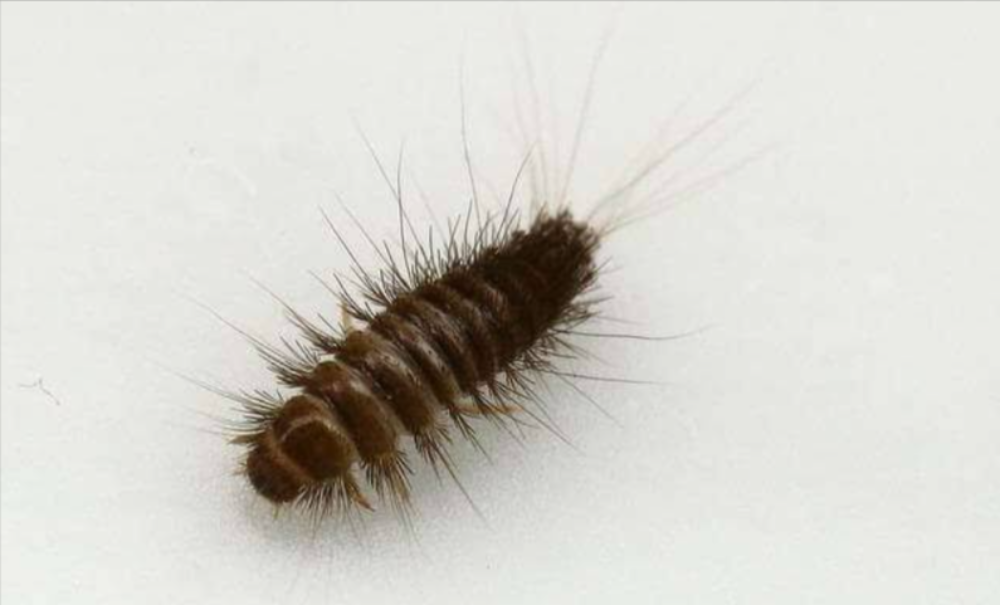
Dermestid beetles are a small dark beetle. The adult beetles are about the size of a grain of rice. The larvae are the ones doing the work. They are brown and furry. They just love to eat! They’ll eat dried meats, skin and any grime in tight spaces. Most of this can’t be reached with a knife.
They’re a small team of cleaners that work at night!
There are several species but the most commonly mentioned is Dermestes maculatus. When buying you should ask what species they are sending. Some of the species are the chewing type that will eat your woolly jumpers and food in your cupboard.
Prep the skull
They’re not magical. Large pieces of muscle and skin should be removed before using them. The brain is also usually removed. The skull should be kept somewhere dry until the remaining tissue becomes stiff and leathery.
Fresh, damp tissue will smell and attract flies. The beetles will enjoy dry tissue. Where do they live
You don’t need anything complicated. Simply put them into a plastic container or glass tank. Make sure it has a tight fitting lid. Drill a hole for ventilation and put a fine mesh over it. Put some crumpled paper/cardboard in the bottom for the larvae to hide. Smooth sides are ideal as the adult beetles will climb.
The most important thing is the temperature. They tend to thrive in temperatures of around 75-85F (24-29C). They will become very slow in cold temperatures. Make sure the container is dark and dry. Moisture will cause mould and mites. A healthy colony will smell slightly musty. If they smell awful, they’re too damp.
Questions to ask the seller
Not all sellers will have the same setup. Ask a few simple questions.
- What species are they?
- How many beetles come in a starter colony? How many are larvae? ● How do they ship them in extreme temperatures?
- What do they recommend feeding them?
A seller that can give honest answers will be a good sign. See whatother hobbyists have said about them.
Starter colonies will usually contain hundreds. This is more than enough for a small skull such as a mouse or bird. Larger skulls will require more beetles or longer cleaning times. It’s best to start with a smaller amount and allow the colony to build up.
Cleaning up
There will be grease left. This will cause the bone to go a yellow colour and can leak for years. Usually soaking them in warm water with a bit of washing up liquid will help. It can take a few days. Using fresh water occasionally will also help.
Hydrogen peroxide is usually used to whiten. Bleach will usually weaken the bones and make them look chalky. Check the label as they can vary in strength. Finally, put them in the freezer for a few days. This will kill any beetles/ larvae that have hitched a ride.
Beetles are easy to care for but won’t do well if you don’t pay attention!