

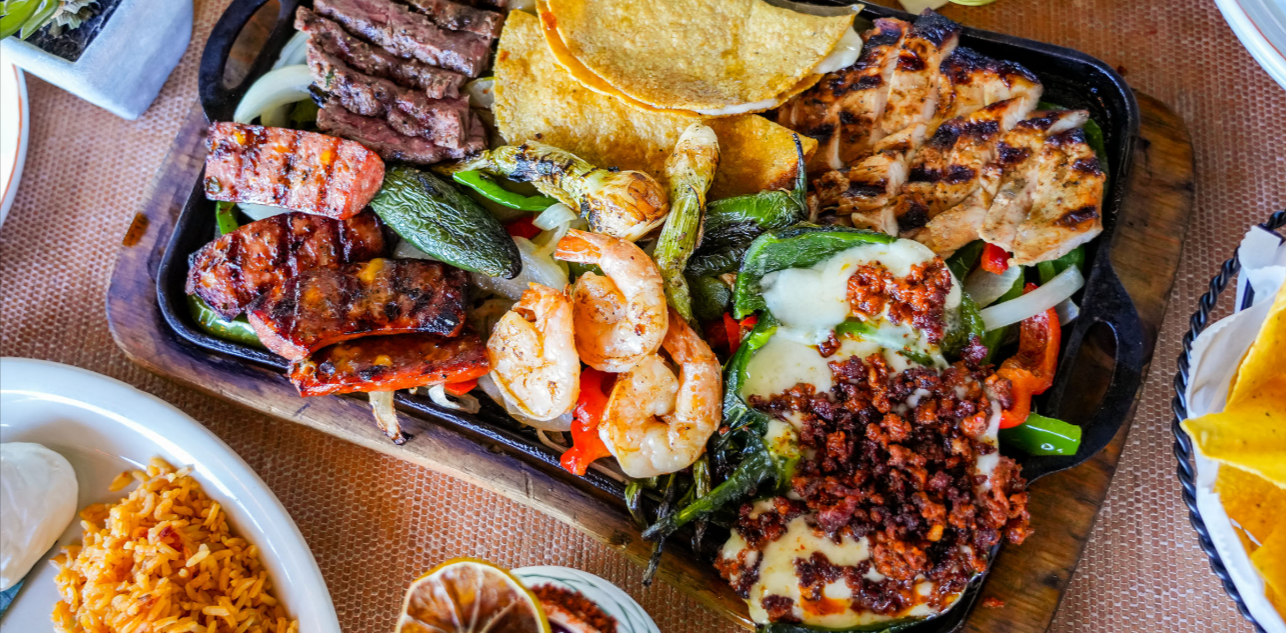
Key Takeaways
Texas Mexican food is a captivating fusion, intertwining indigenous traditions with Spanish influences, and the recipes weave a rich cultural narrative. Each dish, whether tamales or mole, showcases distinctive regional nuances.
Authentic flavors hinge on family traditions, with recipes evolving yet preserving emotional bonds to heritage. Take mole, for instance; variations among families reveal an array of flavor profiles.
Crucial to Texas Mexican cuisine is the sourcing of local ingredients, where fresh produce not only enhances flavors but also bolsters local economies. Using seasonal ingredients leads to vibrant and unforgettable dishes.
Salsa represents the artistry of cooking, balancing spicy, sweet, and tangy notes, with regional twists adding depth. Essential components include tomatoes, onions, cilantro, and lime.
Traditional beverages pair beautifully with Texas Mexican food, as craft beers, quality tequilas, and fruity wines elevate the dining experience. Non-alcoholic options, such as aguas frescas, offer delightful choices for all.
In Texas, culinary experiences emphasize the importance of community and family, creating shared events filled with love and storytelling. Meals become cherished rituals, fostering connections among diners.
Food festivals across Texas celebrate culinary traditions and community, displaying traditional dishes that highlight local specialties. These cultural events invigorate the spirit of the community through joyful gatherings centered around food.
Discover Authentic Mexican Dishes from Texas
Uncover the Secrets Behind Traditional Recipes
Texas Mexican food presents a vivid array of flavors, deeply influenced by both indigenous and Spanish heritages. Recipes, often passed through generations, carry intricate stories within their ingredients. Authentic Mexican dishes are more than just food; they’re a celebration of culture, with each dish from tamales to mole proudly representing its regional uniqueness. So, what’s the secret ingredient?
Experts agree that the essence of genuine flavors comes from family traditions. While many cuisines evolve, these recipes persist over time, deeply rooted in emotional connections. Take the beloved mole, for example. Each family’s version has its twist, leading to a beautiful tapestry of flavors – rich chocolate, aromatic spices, and a gentle heat. It’s these individual variations that make traditional recipes genuinely special.
How Family Traditions Shape Flavor Profiles
In Texas, culinary families place a significant emphasis on authenticity. Honoring heritage while innovating new creations is key. Generational kitchens often utilize local ingredients, adapting traditional recipes to spotlight homegrown produce. Here’s an interesting point: each family’s history adds layers to the flavor profiles. For instance, some families mix pumpkin seeds into their enchiladas, while others may choose a richer cheese sauce.
Cooking together nurtures a sense of belonging, allowing families to share their unique recipes. Such exchanges foster an unmatched culinary diversity, contrasting sharply with regions that lean heavily on a single style. Grasping local nuances transforms an appreciation of the food into a deeper cultural understanding.
- Ingredient sourcing: Families typically reach out to local farmers.
- Recipe variations: Each household boasts its distinct flair.
- Seasonal adaptations: Recipes evolve with the seasons.
Transforming Fresh Ingredients into Flavorful Meals
Why Local Sourcing Matters in Mexican Cuisine
Fresh, local ingredients form the backbone of Texas Mexican food. When chefs procure their produce from nearby farms, the flavors burst forth with life and vibrancy. Local sourcing not only enhances taste; it also builds a culinary link to the community. Consider, for instance, the freshness translates into tastier options, making for more sustainable practices. Local farmers provide seasonal fruits and vegetables, essential for any kitchen, especially when crafting fresh salsa or traditional tortillas.
Studies indicate that fresh ingredients lead to exceptional dishes. The lively flavors of tomatoes, peppers, and herbs bring Tex-Mex staples to life. Flavor-packed spices like cumin and coriander, when combined with fresh produce, yield unforgettable meals that are hard to replicate. In light of the rising farm-to-table movement, sourcing local makes perfect sense. It fosters relationships, bolsters local economies, and ultimately leads to culinary excellence.
Crafting the Perfect Salsa: A Culinary Art
Salsa transcends being merely a dip; it embodies a culinary art form. From pico de gallo to salsa verde, each kind tells a distinct tale. Authentic salsa revolves around achieving a balance – spicy, sweet, and tangy elements should complement each other seamlessly. But what makes a specific salsa irresistible?
It might be the quality of tomatoes or the choice of herbs. Roasted garlic introduces a smoky note, while fresh lime adds brightness. Many professionals would contend that the finest salsas include seasonal ingredients. With each bite, a new flavor emerges, celebrating both tradition and creativity.
- Classic ingredients: Tomatoes, onions, cilantro, and lime.
- Flavor balance: A mix of sweetness, acidity, and heat.
- Regional variations: Different areas present unique styles.
Pairing Traditional Drinks with Mexican Cuisine
Beers, Tequilas, and More: The Perfect Matches
No meal is complete without a fitting drink to enhance it. Mexican cuisine, particularly Texas Mexican food, boasts an impressive variety of options. Traditional beverages elevate the entire dining experience. Consider the complexity found in both beer and tequila; they’re extensions of the dishes themselves.
Craft beers rich in character can amplify the spices in Mexican dishes. Imagine a finely brewed lager accompanying a spicy enchilada. Tequila also shines when enjoyed properly, especially with a deeply flavored mole sauce. And let’s not forget about wine! There’s an emerging trend in pairing wines with Texan dishes, with many finding that a fruity white can temper spiciness beautifully.
- Ales and lagers: Excellent companions for spicy dishes.
- Quality tequilas: Elevate richer flavors.
- Wines: Adventurous pairings for those seeking variety.
Non-Alcoholic Delights for Everyone to Enjoy
Cheers are indeed in order! But what about those who prefer beverages without alcohol? Historically, Mexican cuisine features a host of refreshing options that delight the palate without alcohol. Aguas frescas spring to mind – these are made from fruits like watermelon, hibiscus, or rice. They’re light, refreshing, and perfectly balance a hearty meal.
And there’s more. Crafting non-alcoholic drinks can be an easy, enjoyable process. Bringing the flavors of Mexico into a cool beverage can be as effortless as infusing water with lime and mint. Ensuring delightful experiences should be inclusive, as creative non-alcoholic choices keep everyone engaged at the table.
- Aguas frescas: Light, fruity summer refreshments.
- House-made sodas: Unique spins on traditional flavors.
- Infused waters: A refreshing alternative.
Experience Mexican Culture Through Culinary Excellence
Community and Family: The Heart of Mexican Dining
Culinary experiences in Texas transcend mere sustenance. They encapsulate community and familial bonds. Dining transforms into an occasion, a time to gather around the table, with family members actively engaging in the cooking process, sharing stories as well as recipes. Diners relish meals made with care, enhancing a sense of togetherness.
Cultural dynamics unfold during shared meals. Laughter, storytelling, and deep connections characterize the atmosphere. Rituals emerge, where traditions like taco night draw everyone in. Clients often find genuine hospitality at establishments like Benito’s, which emphasizes the joy of communal meals. It amplifies the love for authentic dishes.
The spirit of Mexican dining is steeped in a profound appreciation for community. It’s more than just food; it’s an experience.
Festivals and Feasts: Celebrating Through Food
Food festivals in Texas stand as a vibrant highlight. Celebrating culinary arts, heritage, and the joy of shared meals, these events often showcase traditional delicacies, including tamales, churros, and flautas, with regional specialties distinctly represented. During such festivals, chefs proudly display their family recipes, inviting attendees to indulge in a cornucopia of flavors that can be explored in a single day.
Cultural celebrations like Dia de los Muertos and Cinco de Mayo present lively displays of cooking that invigorate community spirit. During these festivities, participants come together for more than just a meal; they celebrate life through joyous food and drink. This culinary festivity solidifies the essence of Texas Mexican food – rich, indulgent, and celebratory.
- Local festivals: Showcasing a range of cuisines.
- Family cooking contests: Promoting both creativity and tradition.
- Community meals: Fostering unity through shared dishes.
FAQ
What are some essential ingredients for making authentic Texas Mexican food?
Key components include fresh vegetables like tomatoes, onions, and peppers, along with staples such as corn and beans. Spices like cumin, coriander, and chili powder add depth, while herbs such as cilantro brighten up dishes.
How do food festivals contribute to understanding Texas Mexican cuisine?
Food festivals serve as vibrant platforms for cultural exchange, showing off traditional recipes and regional specialties. Attendees get to taste diverse flavors, learn cooking techniques directly from chefs, and connect with the rich cultural narratives that underscore the cuisine.
Can Texas Mexican cuisine be adapted for modern dietary preferences?
Certainly. Many chefs skillfully adapt traditional recipes to fit various dietary needs, offering options that can be gluten-free or vegan. The core essence of the cuisine remains intact, catering to diverse palates and lifestyles and ensuring everyone feels included at the table.
How does Texas Mexican food reflect regional differences across Texas?
Each region in Texas brings unique culinary influences. For example, South Texas incorporates more coastal ingredients, while Central Texas may focus on heartier meats and barbecue flavors. Such regional differences vividly highlight the diversity found within Texas Mexican food.
What role does culture play in the evolution of Texas Mexican recipes?
Culture plays a crucial part; recipes develop under the influence of various communities and their historical connections to the cuisine. Contemporary interpretations often weave elements from multiple culinary traditions, enriching the landscape of Texas Mexican food.
What types of drinks pair best with different Texas Mexican dishes?
Pairings can vary widely; lighter dishes typically harmonize with fruity wines or light ales, while heartier meals can benefit from higher-quality tequilas or dark beers. The key lies in balancing flavors to enhance the overall dining experience.
How can someone replicate the community aspect of Texas Mexican dining at home?
Creating a communal dining experience is easy through inviting friends or family for a meal. Preparing a variety of dishes together nurtures connection and storytelling, turning dinner into a shared celebration.
What are some signature dishes to try when exploring Texas Mexican food?
Iconic dishes like tamales, enchiladas, and mole reflect regional diversity. Tacos and fajitas also shine brightly, exhibiting the richness and versatility of Mexican cuisine thriving in Texas.