

Understanding the Science of Lawn Fertilization
The Role of Nutrients in Lawn Health
Lawn health is a complex interplay of various nutrients, each playing a vital role in the growth and vigor of grass. The primary nutrients essential for lawn care include nitrogen (N), phosphorus (P), and potassium (K), which collectively form the backbone of lawn fertilization. Nitrogen is crucial for growth; it enhances the green pigmentation of grass, promoting healthy foliage and enabling robust leaf development. Conversely, phosphorus supports root establishment and flowering, making it critical for young lawns undergoing the establishment phase. Potassium, on the other hand, is fundamental for overall plant health, aiding in water regulation and resilience to diseases and environmental stresses.
To ensure these essential nutrients are applied in the right balance, many homeowners and property managers turn to professional lawn fertilization services. These services assess soil conditions, identify nutrient deficiencies, and implement customized fertilization plans tailored to the lawn’s specific needs. In addition to N-P-K, other micronutrients such as magnesium, calcium, and iron are necessary in smaller quantities. These micronutrients contribute to chlorophyll production, cell wall stability, and overall metabolic functions within the grass. Understanding how these nutrients function, their deficiencies, and how they interact with soil conditions lays the foundation for effective lawn fertilization. A deficiency in any one of these can lead to stunted growth, paler leaves, and poor drought resistance, which can ultimately impact the overall quality of your lawn.
Why Soil Testing is Your Lawn’s Best Friend
Soil testing is an essential practice that serves to inform your fertilization strategy. The soil’s texture, pH, and nutrient composition can significantly influence grass growth and health. By conducting a soil test, you can decipher the specific nutrient profile of your lawn’s soil, identifying deficiencies or excesses of certain nutrients. A properly executed test includes sampling different areas of your yard and sending the soil to a laboratory for analysis. The results will typically provide valuable insights into the soil’s pH levels, nutrient content, and organic matter presence, guiding you on what type of fertilizers to use, their quantities, and when to apply them.
Moreover, understanding the soil pH is crucial, as it affects nutrient availability to plants. Most turf grasses thrive in slightly acidic to neutral soils (pH 6.0 – 7.0). If the pH is too low or too high, certain nutrients become less available, preventing optimal growth. By adjusting the soil pH through amendments like lime or sulfur, you can enhance nutrient uptake and overall lawn health. Regular soil testing, ideally every couple of years, ensures you’re making informed decisions, transforming your lawn into a vibrant landscape.
Decoding N-P-K Ratios: What Do They Mean for Your Lawn?
The N-P-K ratio on fertilizer labels is one of the most critical aspects to understand, representing the percentage by weight of nitrogen, phosphorus, and potassium. For instance, a fertilizer with an N-P-K ratio of 20-10-10 contains 20% nitrogen, 10% phosphorous, and 10% potassium. This number not only illustrates the composition but also guides you in selecting the right fertilizer for your lawn’s unique needs. Different growth stages and seasons require varying nutrient demands; therefore, timing and ratio adjustment are crucial for optimal lawn performance.
A high nitrogen ratio is ideal during the active growth periods, such as spring and early fall, as it fosters lush, green growth. Alternatively, a higher phosphorus ratio aids new lawns during establishment or for those experiencing root issues, while potassium-rich fertilizers are perfect for strengthening grass during periods of stress or drought. The ability to decipher these ratios and align them with your lawn’s growth patterns ensures a proactive approach to lawn care, facilitating a lush and vibrant landscape throughout the year.
Choosing the Right Fertilizer for Your Grass Type
Cool Season vs. Warm Season Grasses: What’s the Difference?
The differentiating factors between cool season and warm season grasses profoundly affect your fertilization strategies. Cool season grasses such as Kentucky bluegrass, fescue, and ryegrass thrive in the northern regions where temperatures are moderate. They typically experience their peak growth in early spring and fall. On the other hand, warm season grasses, including Bermuda, zoysia, and centipede grass, thrive in southern climates with warmer temperatures and grow most vigorously during the summer months.
Understanding these growth patterns is paramount in selecting fertilizers. Cool season grasses benefit from fertilization in the spring and early fall, as they have an established root system that can effectively utilize the nutrients before the onset of summer heat. Conversely, warm season grasses should primarily receive their fertilization in late spring through summer, promoting growth and vigor during their active growing season. Tailoring your fertilization regimen according to the specific grass type helps ensure vigorous growth and resilience, maximizing the health and appearance of your lawn.
Organic vs. Synthetic: Which Fertilizer Fits Your Philosophy?
The debate between organic and synthetic fertilizers is ongoing in the lawn care community. Organic fertilizers, derived from natural sources like compost, manure, or plant-based materials, slowly release nutrients, improving soil health and promoting a diverse microbial ecosystem. While they might be less concentrated and slower to produce immediate results, their long-term benefits such as improved soil structure and water retention are significant.
Synthetic fertilizers, conversely, are manufactured and contain concentrated nutrients that provide quick results. They are often used for immediate green-up effects and are easier to apply in specific N-P-K ratios. However, the overuse of synthetic fertilizers can lead to soil imbalances and runoff issues, causing environmental concerns. Ultimately, the choice between organic and synthetic fertilizers should be an informed one, considering your lawn’s specific needs, your environmental ethics, and your long-term goals for maintaining health and sustainability in your landscape.
Specialty Fertilizers: Tailoring Nutrition for Unique Lawn Needs
Not all lawns are created equal, and sometimes your turf may require a specialty fertilizer to address specific issues. Specialty fertilizers are formulated to solve particular problems such as nutrient deficiencies, soil drainage issues, or disease management. For instance, if your lawn is experiencing iron chlorosis – which manifests as yellowing between green veins – applying an iron-rich fertilizer will swiftly address this issue. Likewise, if your lawn is experiencing drought stress, a fertilizer designed to enhance root systems can make a significant difference in overall resilience.
Additionally, there are fertilizers tailored specifically for diverse grass blends or even unique soil conditions. Some products are designed to support newly seeded lawns, providing the necessary nutrients for establishment while being gentle enough to avoid burning delicate seedlings. Others may contain slow-release formulations that extend nutrient availability over time while minimizing the potential for leaching or runoff. These specialized products allow for a more targeted approach to lawn fertilization, ensuring your grass receives the nutrients necessary for enduring health and beauty throughout the seasons.
Lawn Fertilization Techniques for Maximum Impact
The Secret Art of Timing: When to Fertilize for Growth
Timing your fertilization applications can be the difference between a healthy, lush lawn and one that struggles for nutrients. The best time to fertilize typically aligns with the growing cycles of your specific grass type. For cool season grasses, the ideal windows are early spring when the grass begins to green up, and again in early fall when temperatures drop, which promotes root growth before winter. Timing your application during these periods allows grass to utilize the nutrients effectively and strengthens the grass before dormancy. On the contrary, warm season grasses thrive with fertilization in late spring to early summer when they are actively growing, promoting robust health through the heat of the season.
Seasonal temperature fluctuations and precipitation patterns play critical roles in understanding optimal fertilization timing. After a rainfall, grass can absorb nutrients more effectively, making it an excellent time for application. Weather forecasts can serve as your guide, allowing you to choose days when rain is expected or when temperatures are moderate, minimizing evaporation losses and maximizing nutrient uptake. Employing a strategic timing approach ensures your fertilization efforts yield the maximum results.
Application Methods: Granular vs. Liquid Fertilizers
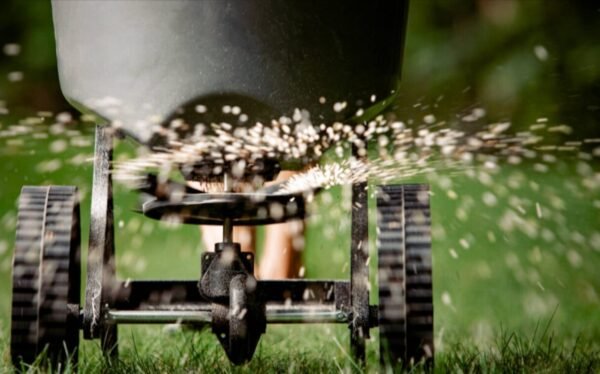
When it comes to application methods, both granular and liquid fertilizers have their merits, and the choice largely depends on your lawn’s specific needs and your convenience. Granular fertilizers are often favored for their slower release and ease of application, either through a broadcast spreader or by hand in smaller areas. They allow for extended nutrient availability as they break down over time due to moisture in the soil. However, ensuring even distribution can be challenging, requiring precision in application to prevent areas of nutrient burn or under-fertilization.
Liquid fertilizers, on the other hand, provide immediate nutrient availability and can be easily absorbed through both soil and foliage. This method is advantageous for lawns needing an urgent nutrient boost or as part of a foliar feeding program. However, liquid fertilizers usually require more frequent applications due to their rapid uptake and subsequent leaching from the soil. Ultimately, the application method you choose can significantly affect the effectiveness of your fertilization efforts, and a blend of both strategies may be the best approach for health over time.
How to Avoid Common Fertilization Mistakes That Can Damage Your Lawn
While fertilization is a vital part of lawn care, improper practices can lead to more harm than good. One common mistake is over-fertilization, which can burn grass and lead to excessive growth that’s tough to manage. It’s critical to measure your fertilizer accurately and apply the correct amount as dictated by soil tests and the recommendations on the product label. Another frequent error is ignoring environmental conditions; applying fertilizers during hot, dry weather can exacerbate stress on the grass and lead to nutrient loss through evaporation and runoff.
Additionally, neglecting water in fertilizers can lead to uneven nutrient distribution and surface-level nutrient build-up, preventing deeper root uptake. Consequently, it’s essential to follow up fertilization with adequate watering to help dissolve the granules or to ensure the liquid fertilizers penetrate the soil. Another frequent oversight is failing to consider the time of year and growth patterns associated with your lawn type, which can thwart the efficacy of your applications. By being mindful of these common pitfalls, you position yourself for successful, sustainable lawn care that stands the test of time.
Maintaining a Healthy Lawn Beyond Fertilization
The Importance of Aeration and Overseeding
The health of your lawn isn’t solely dependent on fertilization; practices like aeration and overseeding are equally essential. Lawn aeration involves perforating the soil with holes to alleviate soil compaction, enhance root growth, and improve nutrient and water absorption. This technique allows better airflow and encourages microbial activity, which is crucial for a thriving lawn ecosystem. Aeration should ideally occur once a year, particularly during the growing season for your specific grass type, to maximize its benefits.
Overseeding, or sowing new grass seeds into existing turf, rejuvenates thinning lawns and introduces improved grass varieties that may be more disease-resistant and drought-tolerant. This practice is especially beneficial in cool-season grasses, where overseeding in early fall not only fills in bare spots but also provides a denser lawn that can better crowd out weeds. Together, aeration and overseeding form a powerful combination, synergizing the benefits of fertilization and promoting a lush, healthy lawn robust against environmental stress.
Combining Fertilization with Effective Watering Practices
Watering practices intertwine closely with successful fertilization, as the relationship between nutrients and moisture plays a crucial role in absorption and plant health. Ideally, lawns require about 1 to 1.5 inches of water weekly. Delivering this amount through deep, infrequent watering encourages deep root growth and nurtures the grass’s resilience against drought. Watering immediately after applying fertilizer can also enhance nutrient absorption, as moisture activates the release of nutrients within the soil.
Conversely, overwatering can wash away valuable nutrients, leading to leaching and waste. Understanding when to water is as critical as how much to water, necessitating a rainfall and watering schedule tailored to current climate conditions. Adjustments during seasonal transitions such as reducing watering frequency in cooler months or after rainfall allow for more effective fertilization and nutrient retention. Pairing thorough watering techniques with your fertilization schedule ensures synchronized growth and fosters a greener, healthier lawn year-round.
Year-Round Lawn Care: Seasonal Strategies for Success
Lawn care is not a one-time endeavor; it requires year-round attention and adaptation to seasonal changes. Spring represents a time of awakening for cool season grasses, necessitating initial fertilizer applications and an emphasis on weed control to establish a robust lawn. As summer approaches, the focus shifts toward maintaining hydration and integrating techniques that promote heat stress resistance, such as mulching and regular mowing.
Autumn serves as a critical time for preparation, where additional fertilization, aeration, and overseeding practices become pivotal in ensuring a flourishing lawn when spring arrives. Winter months require vigilance against pests and diseases, with occasional winterization practices such as applying a slow-release fertilizer before snowfall to ensure a healthy start when the thaw begins. By understanding the cyclical nature of lawn care and implementing seasonal strategies, you not only enhance your lawn’s appearance but also fortify it against future challenges, establishing a sustainable foundation for the years to come.